WHAT IT IS
Jaw muscles at work in sleep
An international expert consensus describes sleep bruxism as jaw muscle activity during sleep, and says that in otherwise healthy people it is a behaviour rather than a disorder.
How common it is mysleepdental
Start
AN INDEPENDENT GUIDE
Some people grind or clench their teeth in their sleep.
It has a name, sleep bruxism, and it is often only noticed by a partner, a sore jaw in the morning or a dentist spotting worn teeth. This independent guide sets out what the NHS and research reviews say about it.
NIGHT GRINDexplained plainly
Read the signsKeep in mind
THE SHORT ANSWER
Sleep bruxism is a behaviour, not a diagnosis to fear.
The NHS sets out when to see a dentist or GP.
WHAT IT IS
An international expert consensus describes sleep bruxism as jaw muscle activity during sleep, and says that in otherwise healthy people it is a behaviour rather than a disorder.
How common it isSIGNS
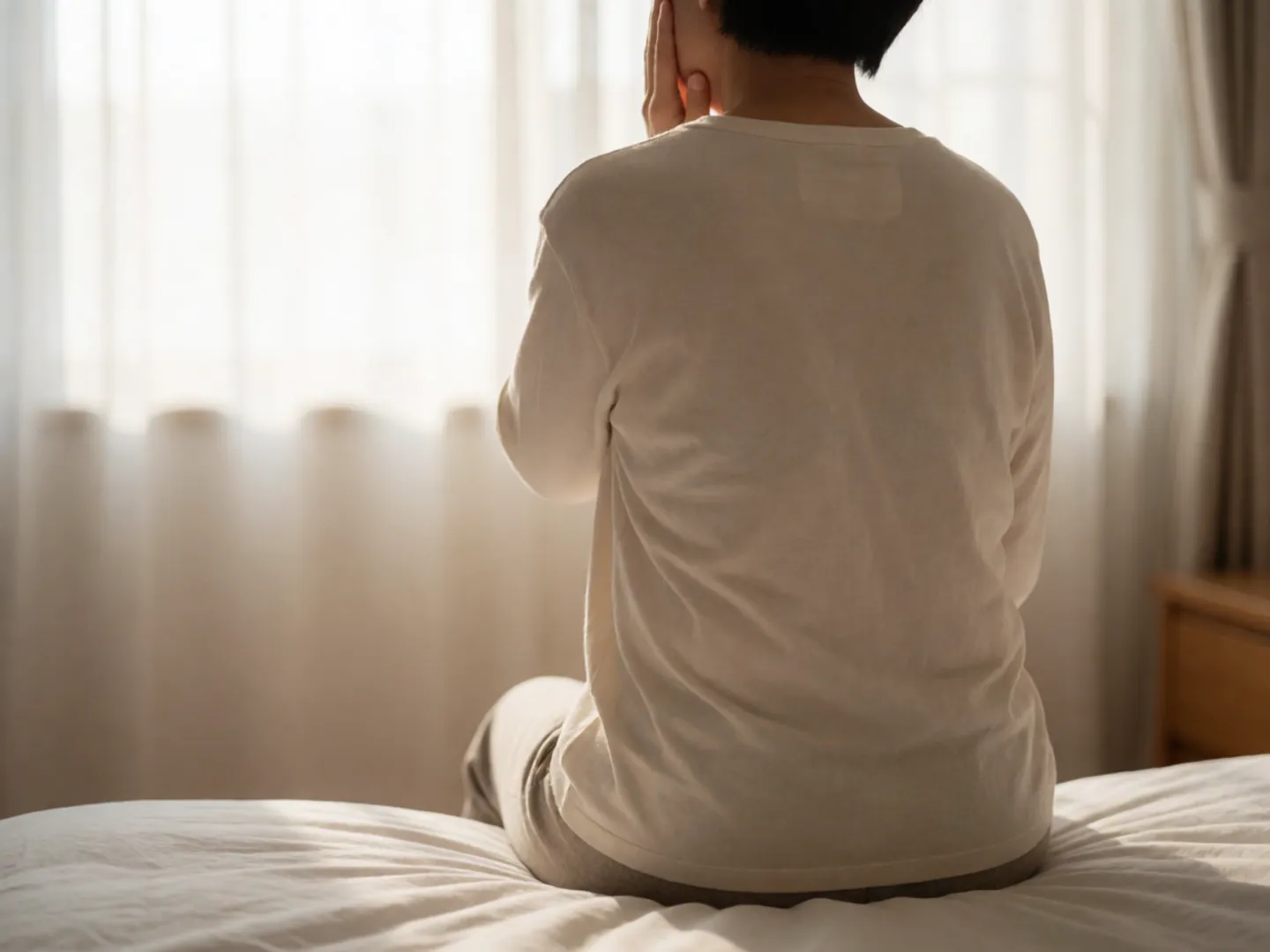
The NHS lists a painful jaw, worn-down or broken teeth, headaches, earache and disturbed sleep. Often a partner hears the grinding first.
What the NHS saysMOUTH GUARDS
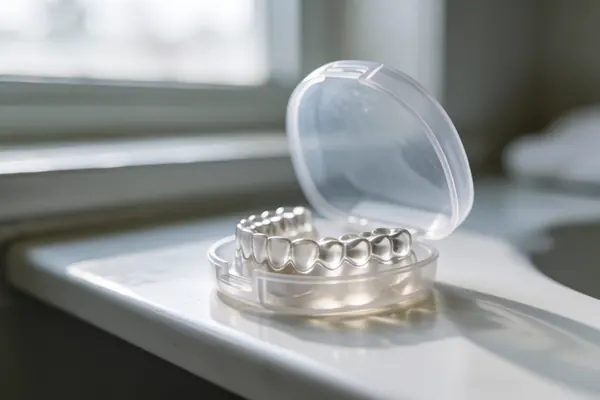
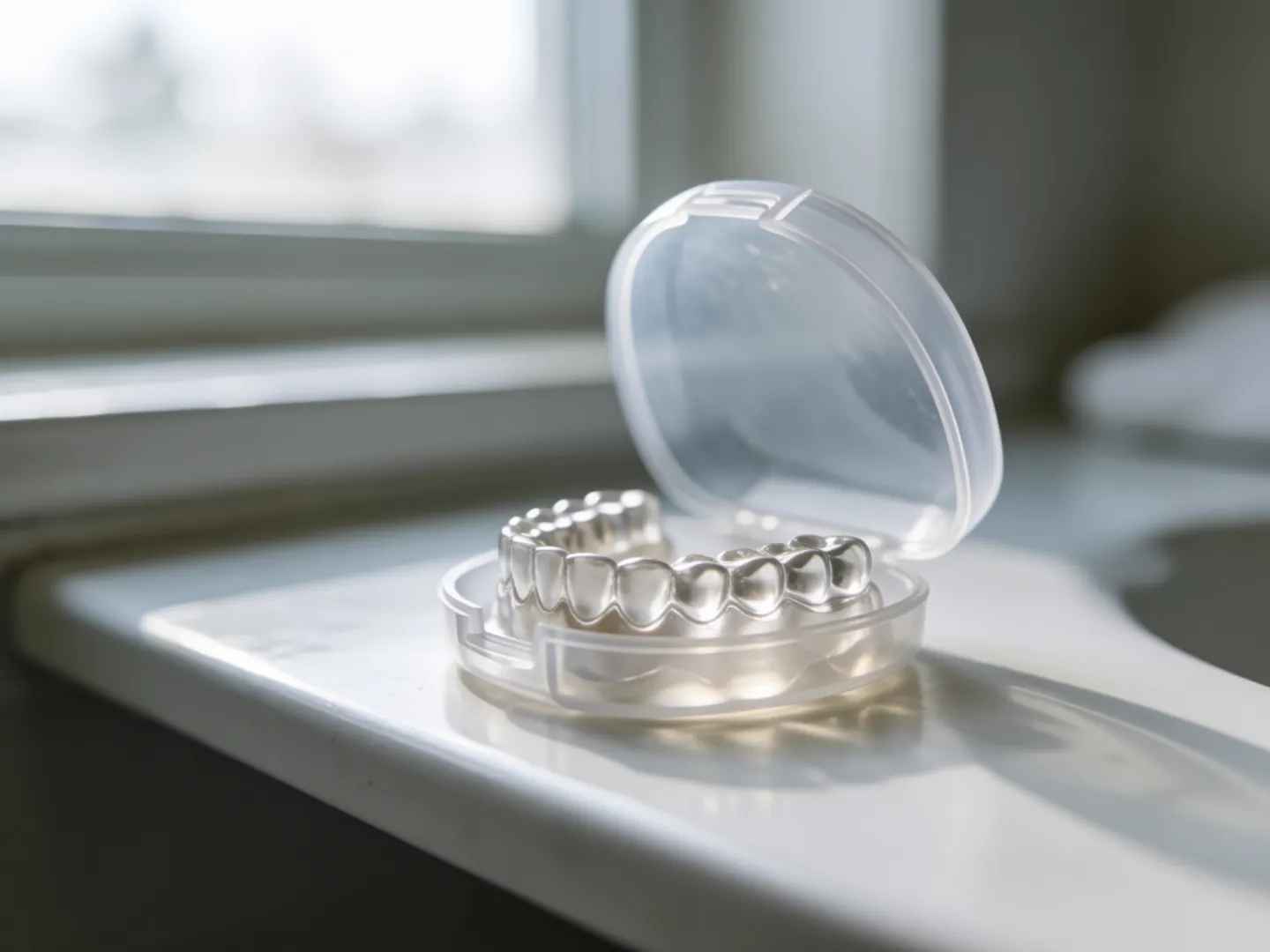
The NHS says a dentist may recommend a mouth guard or splint, worn at night to protect the teeth, and that treatment is not always needed.
Questions to askGeneral information only, not medical advice. For advice about your own health, speak to a doctor, pharmacist or other qualified health professional.
WHAT THE NHS PAGE SAYS
Pick a situation to see how the NHS pages on teeth grinding and jaw problems describe it. The bar shows how strongly the guidance points to getting it looked at.
Quoted from NHS website pages on teeth grinding and temporomandibular disorder. General information only, not medical or dental advice; if you are worried, contact a dentist, GP or NHS 111.
TWO NUMBERS WORTH KNOWING
Estimates depend on how bruxism is measured.
Two research reviews give a sense of the range.
1–15%
Sleep bruxism in adults
An umbrella review of 41 systematic reviews (Melo et al., 2019) reported sleep bruxism in 1% to 15% of adults, and 3% to 49% of children and adolescents.
ADULTS · UMBRELLA REVIEW 2019
≈ 21%
Sleep bruxism, pooled estimate
A 2024 systematic review and meta-analysis (Zieliński et al.) estimated global sleep bruxism prevalence at 21% and awake bruxism at 23%, from studies published 2003 to 2023.
GLOBAL · META-ANALYSIS 2024
The two figures differ because studies use different methods, from questionnaires to overnight sleep recordings. The 2024 review found higher figures when sleep was recorded in a lab (polysomnography).
THINGS TO NOTE DOWN
This is not treatment advice. These are simple observations a dentist or GP may find useful, based on the signs and links the NHS lists.
Step 1
Note whether jaw, face or ear pain is worse on waking. The NHS lists these among the symptoms of grinding.
Step 2
If a partner has heard grinding at night, say so. It is one of the reasons the NHS gives for seeing a dentist.
Step 3
Mention new sensitivity, chips or lost fillings. The NHS links these to worn-down or broken teeth from grinding.
Step 4
Snoring, poor sleep, stress and some medicines are among the links the NHS lists. Mention them; don't stop any medicine on your own.
WHAT RESEARCH SAYS
In 2018 an international group of bruxism researchers proposed separate definitions for sleep and awake bruxism and concluded that, in otherwise healthy people, bruxism should be seen as a behaviour that can be a risk factor for some problems, not as a disorder in itself.
A 2019 umbrella review found alcohol, caffeine, tobacco and some psychotropic medicines were consistently associated with bruxism, and that occlusal appliances (night guards and splints) were the therapy with the clearest support, while evidence for other therapies was weak.
Questions
It is grinding or clenching of the teeth during sleep. Researchers describe it as jaw muscle activity during sleep; awake bruxism is the daytime version, often clenching rather than grinding.
The NHS says it is not always clear, but it is often linked to stress and anxiety (the most common cause), sleep problems like snoring and sleep apnoea, some medicines, smoking, and lots of alcohol or caffeine.
Often someone else hears it. The NHS lists a painful jaw, worn-down or broken teeth, headaches, earache and disturbed sleep as possible symptoms.
No. The NHS says treatment for teeth grinding is not always needed. A dentist may recommend a mouth guard or splint to protect the teeth, and a GP can help with causes such as stress.
No. mysleepdental is an independent informational guide, not a dental practice or health service. It quotes official NHS pages and published research and links to them.
Destination
Updated
ABOUT THIS NAME
mysleepdental.com is part of the DoodleSale portfolio. It isn't in an auction right now, but you can ask about leasing it.